
Reporting: sourced factual coverage reviewed by the editorial desk.
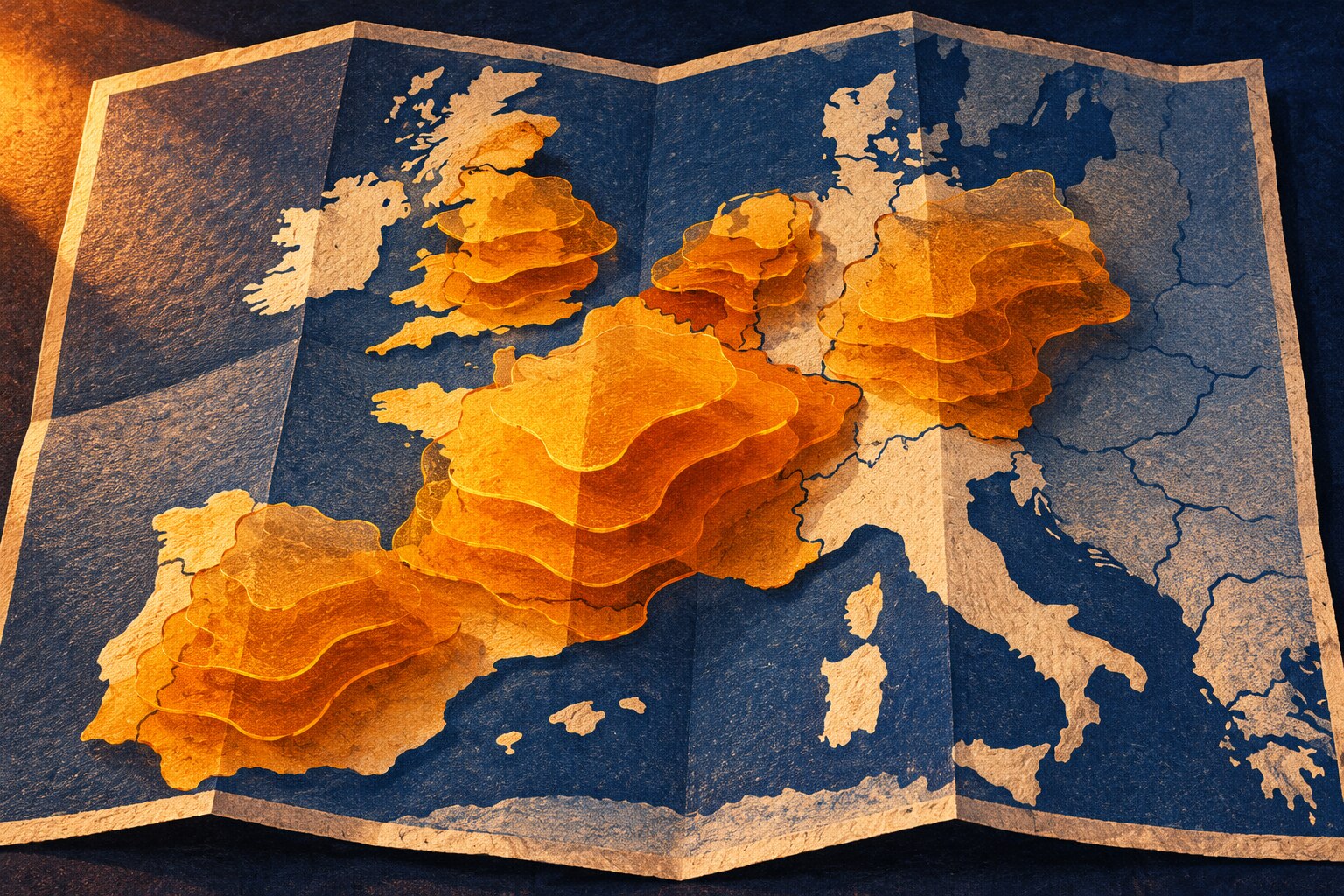
Stablecoin balances attributed to Western Europe rose 131% in the year through June 2026, according to research Chainalysis published November 9. The company estimated global growth at 52% over the same period. Western Europe’s share of measured global balances climbed from 3.4% to 5.1%.
The figures count money held, which answers a different question from how often people pay with stablecoins. Chainalysis separately estimated that domestic stablecoin transfers between UK wallets rose to $2.09 billion from $109 million in the previous 12 months. Those transfers show value moving between wallets classified as British, but do not show what share paid for goods or services.
France stood out on the holding side. The company estimated a 192% increase in French stablecoin balances held in personal wallets. That is a change in the balances it measured; it does not show that households broadly moved their savings out of banks. A wallet is not necessarily a person, and a percentage increase does not show how large the balance was to start with.
The study’s period ended in June, so it cannot describe how much people hold today. It also does not establish what drove the increase or whether euro-backed tokens accounted for most of it. For readers weighing claims about adoption, the distinction is useful: wallet balances can show growing use as a place to park money, while separate measures are needed to establish how widely stablecoins are used for everyday payments.
Join the conversation
Share your perspective and reply to other readers in Community.
Discuss this article →